
Limestone and calcium carbonate powder are widely used in the building materials industry, including cement production, concrete manufacturing, wall coatings, dry-mix mortar, and decorative materials. Their applications require different particle sizes, fineness levels, and product consistency, making grinding equipment an important part of the production process. Choosing the right mill involves more than achieving a target fineness. Raw material characteristics, production capacity, energy consumption, and final product requirements must all be considered. From traditional ball mills to Raymond mills and modern classification systems, different grinding technologies offer solutions for various limestone and calcium carbonate processing needs.
1. Why Limestone and Calcium Carbonate Require Different Grinding Processes
Limestone is a sedimentary rock primarily composed of calcium carbonate. After mining and crushing, it can be processed into different powder grades for construction and industrial applications. The required fineness depends on how the material will be used.
For example, limestone powder used in some cement and building material applications may have relatively moderate fineness requirements. In contrast, calcium carbonate used as a filler in coatings, plastics, and specialized construction products may require finer and more consistent particle sizes.
Raw material properties also influence the grinding process. Limestone hardness, moisture content, feed size, and impurity levels can affect mill performance. Materials with higher moisture content may cause handling difficulties or reduce grinding efficiency, while variations in hardness can influence energy consumption and wear-part life.
Therefore, the first step in selecting grinding equipment is to evaluate the raw material and define the final product specifications.
2. Common Grinding Equipment for Limestone Powder Production
Different grinding machines use different mechanisms to reduce material size. The appropriate choice depends on the required fineness, output capacity, and production arrangement.
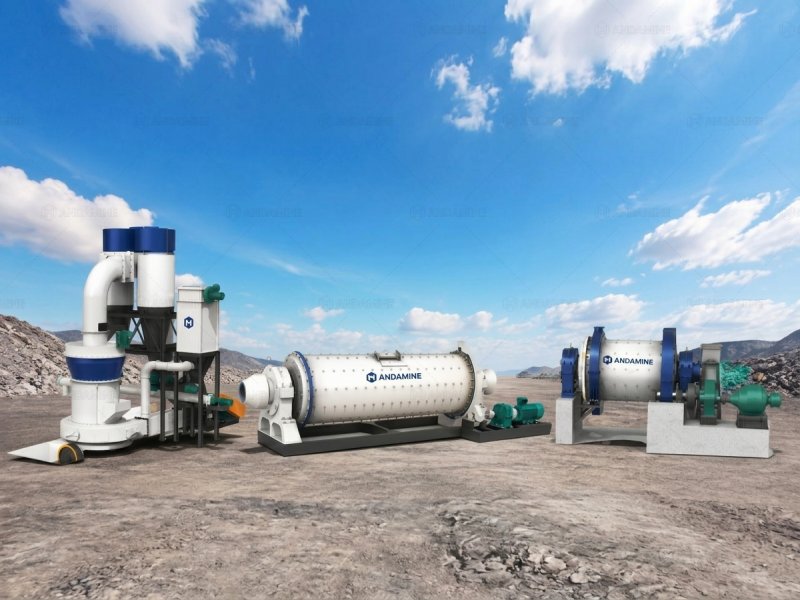
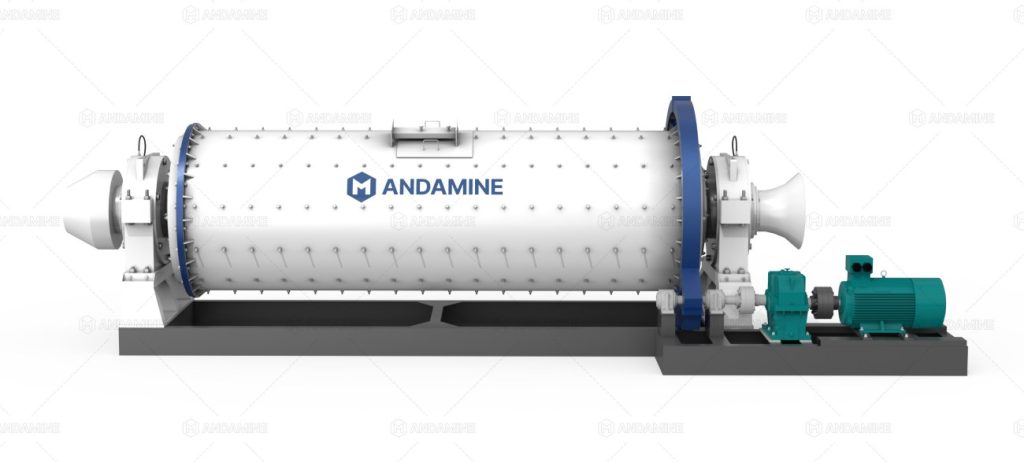
Ball mills use rotating cylinders containing grinding media, usually steel balls, to reduce material through impact and friction. A ball mill for grinding limestone is commonly used in continuous industrial production, particularly when stable operation and relatively large processing capacity are required. Its configuration can be adjusted according to feed size, grinding media, and product fineness.
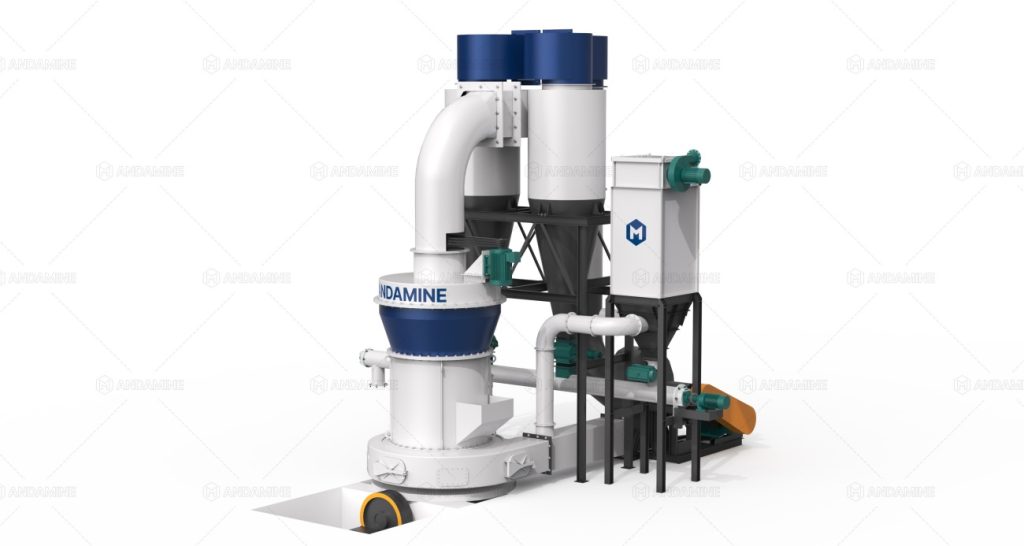
Raymond mills use grinding rollers and a rotating grinding ring to process materials through compression and grinding forces. Raymond mills are widely applied in limestone and calcium carbonate powder production where controlled fineness and continuous processing are important. They are generally suitable for producing fine powders from appropriately prepared feed materials.
Vertical roller mills integrate grinding, drying, and classification functions in one system. They can be suitable for larger production lines that require high throughput and energy-efficient operation, particularly when raw material moisture and process integration are important considerations.
No single mill is suitable for every project. Equipment selection should be based on actual material tests and production requirements rather than general assumptions about machine performance.
3. How Feed Preparation Influences Grinding Efficiency
Grinding performance begins before the material enters the mill. Large limestone blocks must first pass through crushing and screening processes to achieve a suitable feed size. If the feed contains oversized particles, the grinding system may experience unstable operation or reduced throughput.
Consistent feed size also helps maintain stable grinding conditions. When particle sizes vary significantly, the mill may need to handle different grinding loads, affecting production efficiency and final powder quality.
Moisture content is another important factor. Excessive moisture can cause material sticking, accumulation, and difficulties in powder transportation. Depending on the process design, drying equipment or moisture-control measures may be required before grinding.
A well-designed preparation system should therefore include appropriate crushing, screening, feeding, and, where necessary, drying equipment. Matching these processes with the grinding mill helps reduce unnecessary energy consumption and improves overall production stability.
4. Controlling Powder Fineness and Product Consistency
In limestone powder production, achieving the required fineness is only part of the quality-control process. Particle size distribution also affects how the powder performs in downstream applications.
For example, limestone powder used in cement-based materials must meet the relevant product specifications to ensure suitable performance. Calcium carbonate used in coatings or other formulated building products may require tighter control over particle size and consistency.
Air classifiers are commonly used in grinding systems to separate particles according to size. Fine particles that meet the target specification are collected as finished products, while coarser particles can return to the grinding chamber for further processing.
Grinding pressure, mill speed, feed rate, airflow, and classifier settings all influence the final product. Operators should monitor these parameters and conduct regular particle-size testing to identify variations.
Overgrinding should also be avoided. Producing particles finer than required consumes additional energy and may reduce the overall output of saleable powder. The objective is to achieve the specified fineness consistently, not simply to produce the finest possible material.
5. Improving Energy Efficiency and Reducing Operating Costs
Grinding is one of the energy-intensive stages in mineral processing. Consequently, electricity consumption has a direct influence on the cost per ton of limestone or calcium carbonate powder.
Several factors affect grinding energy requirements, including raw material hardness, feed size, target fineness, grinding media condition, and equipment loading. Poor feed preparation can increase the amount of energy required to achieve the desired particle size.
Choosing suitable grinding equipment is therefore essential. For projects with relatively coarse powder requirements and specific production conditions, a ball mill may provide a practical solution. Raymond mills may be more appropriate for certain fine-powder applications where their capacity and fineness range match the production target.
Regular maintenance also contributes to energy efficiency. Worn grinding media, rollers, liners, and other components can reduce grinding performance. Maintaining appropriate operating conditions and replacing worn parts according to inspection results helps prevent unnecessary energy losses and production interruptions.
Investors should compare equipment based on total operating costs, including electricity, wear parts, labor, maintenance, and production output, rather than purchase price alone.
6. Matching Grinding Equipment to Building Material Applications
Different building material applications require different grinding configurations.
- Cement production: Limestone is processed as a raw material for cement manufacturing, requiring controlled particle size and stable feeding into subsequent production stages.
- Dry-mix mortar: Limestone powder can serve as a mineral filler, where consistent fineness helps maintain formulation stability.
- Wall coatings and putty: Calcium carbonate powder is used as a filler, making particle size distribution and product consistency important.
- Concrete and construction materials: Ground limestone may be used in suitable formulations to modify material properties and optimize aggregate or binder systems.
- Decorative building products: Finer calcium carbonate grades may be required to achieve specific surface characteristics and product appearance.
Before selecting a grinding system, producers should clarify the intended application, required fineness, production volume, and relevant quality standards. These factors determine whether a ball mill, Raymond mill, vertical roller mill, or another grinding configuration is more suitable.
7. Choosing the Right Grinding Solution for Long-Term Production
Producing limestone and calcium carbonate powder requires coordination between raw material preparation, grinding, classification, collection, and storage. A well-matched system helps maintain product consistency while controlling energy consumption and operating costs.
For investors and building material producers, equipment selection should begin with material characteristics and final application requirements. Comparing grinding principles, actual output, power consumption, maintenance needs, and system configuration provides a more reliable basis for investment decisions.
As a supplier of crushing and grinding solutions, Andamine can be considered when evaluating equipment options for mineral processing and building material production projects. Matching the grinding configuration to the material and production target is essential for establishing an efficient and reliable powder production line.