
Wet and sticky materials create specific challenges for crushing operations, particularly when raw rock contains clay, soil, or excessive moisture. These conditions can cause material buildup inside crushing chambers, block feeding and discharge openings, reduce screening efficiency, and interrupt continuous production. Selecting a suitable crushing machine is therefore only one part of the solution. Operators must also evaluate clay content, moisture levels, feed size distribution, and material handling conditions to maintain stable output. A well-designed crushing process combines appropriate equipment with effective pre-screening, feeding, and material flow management.
Why Wet and Sticky Materials Reduce Crushing Efficiency
Clay content and moisture influence how raw materials behave during crushing. When fine particles absorb water, they can form cohesive masses that adhere to equipment surfaces. Instead of flowing freely through the processing line, wet material may accumulate around feeders, crusher inlets, discharge chutes, and conveyor transfer points. As buildup increases, the available passage area becomes smaller, restricting material movement and reducing production efficiency.
Sticky feed can also affect the consistency of the final aggregate. Wet fines may attach to larger particles, making screening less effective and causing unwanted material to enter subsequent crushing stages. In severe cases, blockages require operators to stop the equipment and remove accumulated material manually. These interruptions increase labor requirements and reduce the actual operating time of the plant.
However, moisture alone does not determine whether a material is difficult to process. Clay mineral composition, particle size, water content, and the proportion of fine particles all influence its handling characteristics. Testing representative feed samples helps identify the main challenges before equipment selection and plant configuration.
Evaluate Clay Content and Moisture Before Selecting Equipment
Understanding the raw material is the first step in designing a reliable crushing process. Two materials with similar moisture levels may behave differently because their clay content and particle composition are not the same. Highly plastic clay can become especially adhesive when wet, while coarse rock with limited clay fines may still flow relatively well under comparable conditions.
Material testing should examine several factors:
- Moisture content: Determine how much water is present and whether rainfall or seasonal changes cause significant variations.
- Clay content: Estimate the proportion of clay and identify whether it is concentrated in fine particles or attached to larger rocks.
- Feed size distribution: Check the proportion of oversized rocks, small particles, and fine material entering the plant.
- Material cohesiveness: Observe whether the feed flows freely or forms lumps that may block equipment openings.
- Production requirements: Define the target capacity, finished aggregate sizes, and required product specifications.
These results help determine whether the process needs additional pre-screening, improved feeding arrangements, or a different crushing configuration. They also reduce the risk of selecting equipment based only on the hardness and nominal size of the raw rock.
Choose Crushing Equipment According to Material Conditions
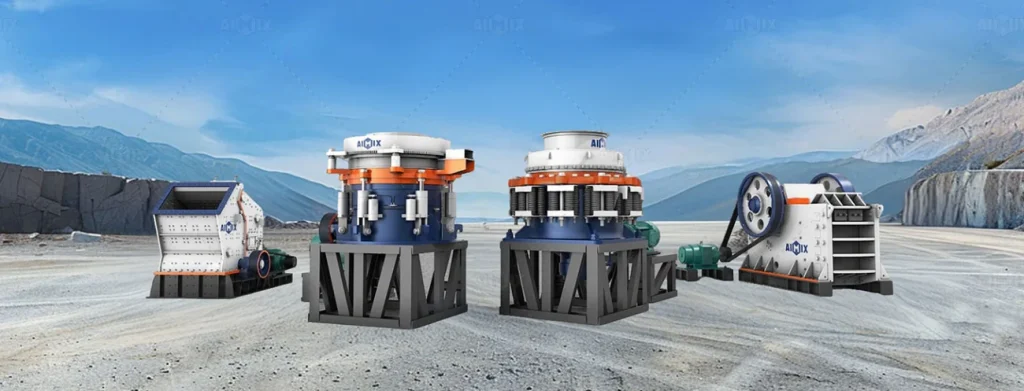
Different crusher types perform different functions in an aggregate production line. Their suitability for wet and sticky materials depends on the feed characteristics, equipment design, and surrounding process configuration.
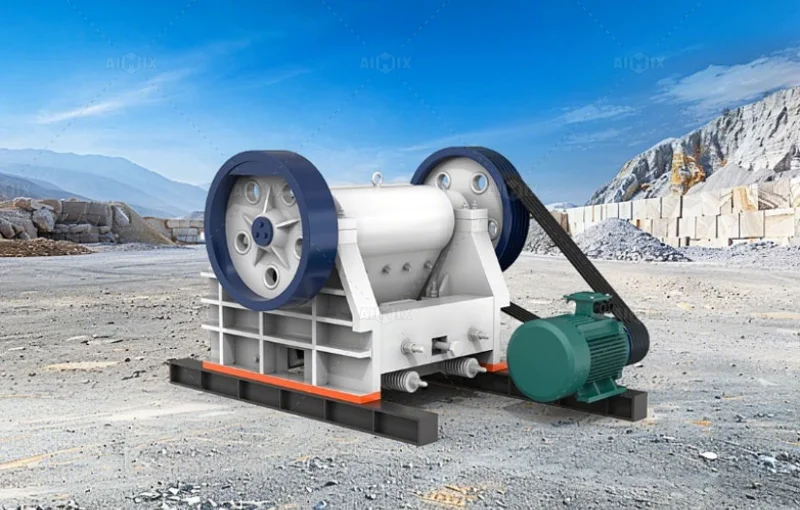
Jaw Crusher Equipment for Primary Crushing
Jaw crusher equipment is commonly used for primary crushing because it handles large feed materials through compression between a fixed jaw plate and a movable jaw plate. It reduces oversized rocks into smaller pieces for downstream processing. For wet and clay-bearing feed, however, operators should pay attention to the condition of the material entering the crushing chamber.
When sticky fines accumulate around the feed opening or discharge area, material flow can become restricted. A properly sized vibrating feeder, suitable discharge clearance, and effective removal of loose fines can help reduce these problems. Where the raw material contains substantial soil or clay, pre-screening may be necessary before primary crushing rather than sending the entire mixture directly into the crusher.
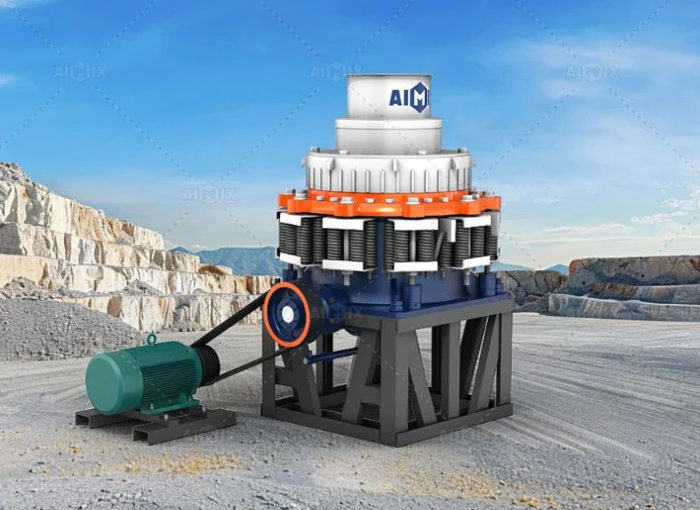
Cone Crusher Machine for Secondary Crushing
A cone crusher machine is often selected for secondary or tertiary crushing of hard and abrasive rock. It reduces material through compression between the mantle and concave, helping produce smaller aggregates with controlled particle sizes. In a wet-material processing line, the main consideration is whether the feed can enter and pass through the crushing chamber consistently.
Excessive clay and sticky fines can interfere with material movement and downstream screening. Removing unsuitable fines before the cone crushing stage can help maintain more stable operation. Operators should also monitor the feed distribution, discharge conditions, and crusher settings to avoid unnecessary recirculation and uneven loading.
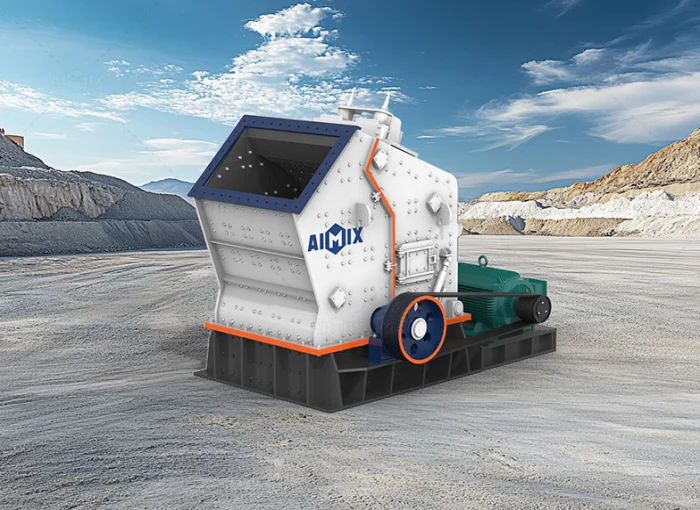
Impact Crusher for Shaping and Size Reduction
An impact crusher reduces material through repeated impact against blow bars and impact plates. It is commonly used when aggregate particle shape and additional size reduction are important. However, wet and sticky feed can adhere to internal surfaces or accumulate around discharge and transfer areas, affecting material flow.
Before using an impact crusher for clay-bearing materials, operators should assess moisture conditions and the amount of fine material entering the machine. Removing excessive sticky fines and maintaining suitable feeding conditions can help reduce buildup. The equipment should be selected according to material properties, required output size, and the intended role within the overall crushing process.
Use Pre-Screening to Remove Excessive Clay and Fines
Pre-screening is an important process for handling raw materials containing soil, clay, and unwanted fine particles. Instead of sending the entire feed into the crusher, a screening stage separates smaller materials before primary or secondary crushing. This reduces the amount of unnecessary material entering the crushing chamber and allows the crusher to focus on the larger rocks that require size reduction.
For suitable applications, grizzly feeders, heavy-duty scalping screens, or other screening equipment can separate loose soil and fines from coarse feed. When materials are extremely wet or cohesive, conventional screening may become less effective because particles stick to the screen surface or openings. Equipment selection should therefore consider the material’s actual behavior rather than relying only on nominal screening capacity.
In some projects, the separated fines can be stockpiled for further treatment, blended into another product, or removed from the production process, depending on their composition and intended use. This approach improves control over the material entering each crushing stage.
Improve Feeding and Material Flow Throughout the Plant
Stable feeding is essential for maintaining consistent crushing performance. When wet material enters the crusher in irregular batches, equipment loading fluctuates and may lead to blockages or reduced throughput. Feeders and transfer systems should be configured to maintain a controlled supply while avoiding excessive accumulation at transfer points.
Operators should also examine the layout of chutes, hoppers, and conveyors. Surfaces where wet fines tend to accumulate should be designed with suitable clearances and accessible inspection points. Reducing unnecessary changes in material direction and avoiding narrow transfer sections can help maintain smoother movement through the plant.
Stockpile management is equally important. Raw materials should be stored in areas that limit uncontrolled water accumulation, where site conditions allow. Separating different material types and monitoring moisture changes after rainfall can help operators adjust the feeding rate and processing sequence before production becomes unstable.
Adjust Operating and Maintenance Practices to Changing Conditions
Wet and sticky materials require more frequent equipment inspections than dry, free-flowing feed. Operators should check feeder surfaces, crusher openings, discharge chutes, conveyor belts, and screening decks for accumulated material. Removing buildup before it becomes severe helps prevent unexpected stoppages and protects the processing line from excessive operating stress.
Production parameters may also need adjustment as feed conditions change. During periods of heavy rainfall, operators can monitor feed moisture, reduce feeding rates when necessary, and inspect screening performance more frequently. Crusher settings should be adjusted according to the required product specifications and equipment operating limits, rather than using one configuration for every material condition.
Maintenance planning should include regular inspection of wear parts, lubrication systems, drive components, and safety devices. Before clearing blockages or performing internal inspections, equipment must be stopped and isolated according to the applicable lockout and safety procedures. Wet conditions also require attention to electrical protection, safe access, and working surfaces around the plant.
Build a Crushing Process Around Actual Feed Conditions
Processing wet and sticky materials successfully requires more than choosing a powerful crushing machine. Clay content, moisture, feed size, and material flow all influence equipment performance and finished aggregate quality. A practical solution may combine pre-screening, jaw crusher equipment for primary reduction, a cone crusher machine or impact crusher for subsequent processing, and suitable feeding and conveying arrangements. By testing raw materials, controlling excessive fines, and adapting operating practices to changing conditions, aggregate producers can reduce blockages, improve production stability, and make better use of their crushing equipment.