
Starting a quarry project requires more than finding a suitable stone crusher. The crushing plant must process the available rock efficiently, produce aggregate sizes that customers need, and maintain stable output throughout daily operations. Choosing the wrong configuration can lead to insufficient production, excessive fuel or electricity consumption, frequent equipment maintenance, and unnecessary investment.
For quarry owners, aggregate producers, and construction contractors, the real question is not simply which crusher is the best. It is how to select a complete production line that matches the raw material, required capacity, final aggregate specifications, and project budget. Before comparing equipment prices, it is worth reviewing the available stone crushing plant for sale options and understanding how different configurations serve different quarry applications.
Whether you plan to process limestone, granite, basalt, andesite, river stone, or other materials, the selection process should start with your quarry conditions and finished-product requirements. This guide explains the key factors to consider before purchasing a stone crushing plant and how to build a production line that supports long-term business growth.
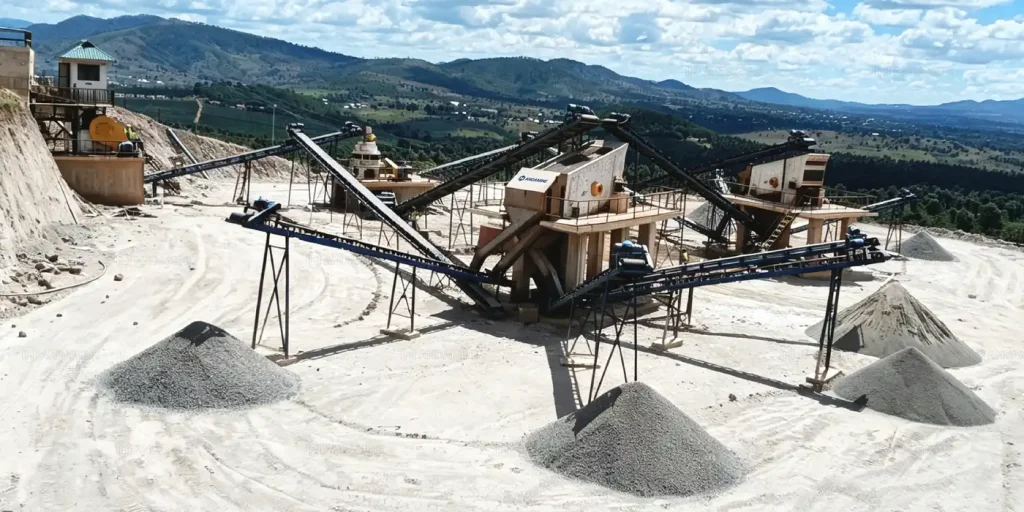
1. Identify The Raw Material You Need To Crush
The first step in selecting a stone crushing plant is understanding the properties of your raw material. Different rocks have different hardness, abrasiveness, moisture content, and crushing characteristics. These differences directly affect crusher selection, production efficiency, and operating costs.
Common Quarry Materials And Their Crushing Requirements
- Limestone: Limestone is relatively easy to crush compared with many hard rocks. Jaw crushers and impact crushers are common choices. Quarry operators often produce road base materials, concrete aggregates, and manufactured sand.
- Granite: Granite is hard and abrasive. A jaw crusher combined with a cone crusher is often suitable for a hard-rock crushing line. Wear-resistant components are important for controlling maintenance costs.
- Basalt: Basalt has high hardness and can cause significant wear. A jaw crusher and cone crusher combination is worth considering for continuous aggregate production.
- Andesite: Andesite is widely used for construction aggregates in many markets. The crushing process should account for its actual hardness and abrasiveness, especially when producing multiple aggregate sizes.
- River Stone: River stone often has a rounded surface and can contain different rock types. The crushing configuration should match its actual composition and the required particle shape.
Therefore, do not select equipment based only on the material name. Two granite quarries, for example, may have different production requirements because their rock strength, feed sizes, and finished-product specifications differ.
If possible, provide a representative material sample or laboratory test results. This allows the equipment supplier to evaluate the crushing characteristics and recommend a more reliable configuration.
2. Determine The Required Production Capacity
After identifying the raw material, the next step is calculating how many tons of finished aggregate your quarry needs to produce per hour. Production capacity directly affects the size and number of crushers, vibrating screens, feeders, and belt conveyors.
However, choosing the largest available plant does not always create the best investment. Excess capacity can increase equipment costs, electricity consumption, maintenance expenses, and unused production capacity. On the other hand, an undersized plant may fail to meet customer demand and delay construction projects.
Match Plant Capacity With Daily Aggregate Demand
Start by calculating your expected daily production and effective operating hours.
- 50 TPH Crushing Plant: Can be considered for smaller quarries, local aggregate suppliers, and projects with moderate material demand.
- 100 TPH Crushing Plant: Suitable for many medium-sized quarry operations and regional construction material suppliers.
- 150–200 TPH Crushing Plant: Worth evaluating for expanding quarries, commercial aggregate production, and contractors with larger material requirements.
- 300 TPH And Above: More suitable for large-scale quarry operations, major infrastructure projects, and businesses supplying multiple construction markets.
These capacity ranges are preliminary planning references rather than guaranteed production results. Actual output depends on the rock properties, feed gradation, crusher configuration, screening efficiency, and operating conditions.
Calculate Finished Production Instead Of Looking Only At Crusher Capacity
One important point often overlooked by quarry investors is the difference between raw-feed capacity and finished-product capacity.
For example, a plant rated at 100 TPH may process approximately 100 tons of raw material per hour under suitable conditions. However, the saleable output can differ because of oversize recirculation, material losses, screening efficiency, and the required product specifications.
If your business needs 800 tons of finished aggregate per day and operates for eight effective hours, the required finished-product output is 100 TPH. You should therefore ask the supplier to calculate the complete crushing circuit based on finished production, not just the capacity of an individual crusher.
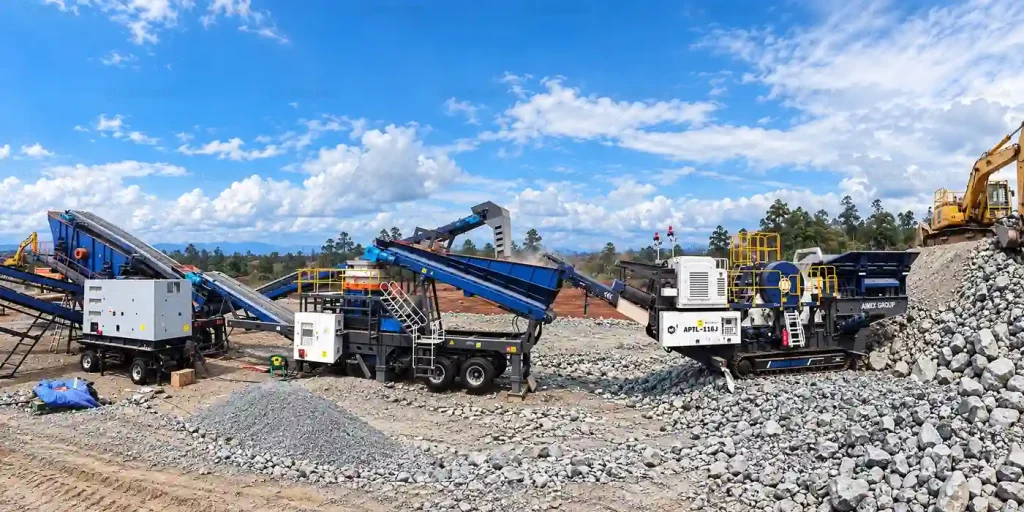
3. Define Your Required Finished Aggregate Sizes
Once you know the production target, determine which aggregate sizes your customers actually need. This step is essential because different applications require different particle sizes and grading specifications.
Typical Aggregate Products For Quarry Projects
- 0–5 mm: Manufactured sand and fine aggregate for concrete, mortar, and other construction applications, subject to grading and quality requirements.
- 5–10 mm: Fine aggregate for concrete mixes and selected construction applications.
- 10–20 mm: Common aggregate size for concrete production and general construction.
- 20–40 mm: Coarser aggregate for road construction, drainage, and selected infrastructure applications.
- 40–70 mm: Larger stone for certain road base, drainage, and engineering applications, depending on project specifications.
For example, a quarry supplying ready-mix concrete plants may focus on 5–10 mm, 10–20 mm, and manufactured sand. In contrast, a quarry serving road contractors may need several aggregate fractions for base courses, sub-base materials, and drainage applications.
Consequently, your finished-product requirements should determine the crushing and screening arrangement. Do not purchase a crushing plant first and then try to find a market for whatever sizes it produces.
4. Choose The Right Crushing Stages
After defining the material, capacity, and finished products, you can determine how many crushing stages the plant needs. Most quarry crushing plants use primary and secondary crushing. Some projects require an additional tertiary crushing stage to produce finer aggregates or manufactured sand.
Primary Crushing: Reduce Large Raw Rocks
Primary crushing handles the largest feed material from the quarry. A primary jaw crusher is one of the most common choices because it can process large rocks and handle many hard-rock applications.
When selecting a primary jaw crusher, check the maximum feed size, feed opening, required discharge size, and actual capacity. The crusher must accept the largest rocks without causing frequent blockages or unstable feeding.
A vibrating feeder can also regulate material flow into the crusher. This helps maintain stable operation and prevents sudden overloading.
Secondary Crushing: Produce Smaller And More Consistent Material
After primary crushing, the material usually needs further size reduction. Cone crushers and impact crushers are common secondary crushing options.
A cone crusher is often suitable for hard and abrasive materials such as granite and basalt. It uses compression to reduce the rock and can support continuous aggregate production.
An impact crusher uses impact force to break the material. It can help produce more cubical particles, which may benefit concrete and asphalt aggregate applications. However, its wear costs require careful evaluation when processing highly abrasive rock.
Tertiary Crushing: Produce Fine Aggregate And Manufactured Sand
Some quarry projects require a third crushing stage to produce smaller aggregate sizes or manufactured sand. A VSI crusher is a common option for this purpose.
VSI crushing uses high-speed impact to break and shape particles. It can help improve particle shape and produce fine aggregate for concrete, asphalt, and other construction applications. If your quarry needs a dedicated sand-making stage, you can evaluate a suitable vsi crusher for sale based on feed size, required sand grading, and production capacity.
However, not every quarry needs a tertiary crusher. If the secondary crushing stage already produces enough material that meets the required grading, adding another machine may increase investment and operating costs without providing sufficient value.
The best configuration depends on the final product specifications and the actual crushing performance of the raw material.
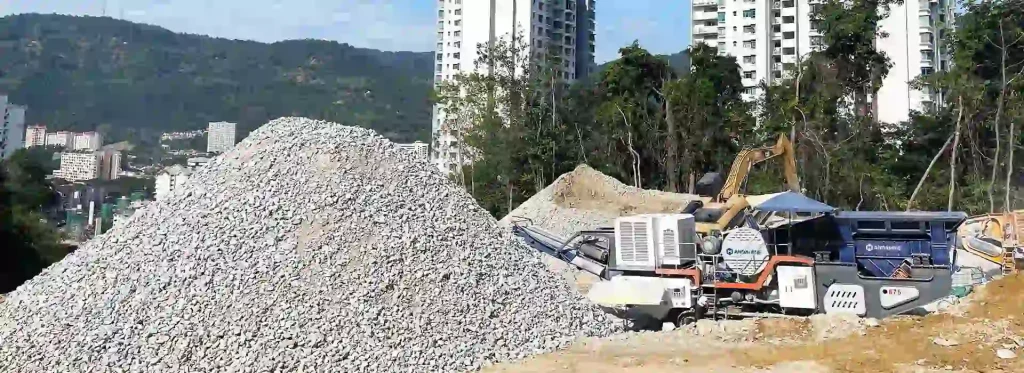
5. Select A Suitable Vibrating Screen And Screening System
Choosing the right crushers is only part of the process. Screening also determines whether the finished products meet customer requirements.
A vibrating screen separates crushed material into different particle sizes. It directs qualified aggregate to the corresponding stockpile and sends oversized material back for further crushing when necessary.
Why Screening Efficiency Matters
If the screening system cannot separate material accurately, oversized particles may enter finished products. At the same time, excessive fine material may contaminate larger aggregate fractions.
These problems can affect product quality and reduce the selling value of the aggregate.
When selecting a vibrating screen, consider the following factors:
- Required finished aggregate sizes and grading specifications.
- Screening capacity and total material feed rate.
- Number of screen decks and screen opening sizes.
- Material moisture and the risk of screen blockage.
- Available installation space and maintenance access.
- Whether the plant needs a closed-circuit crushing arrangement.
For example, a quarry producing 0–5 mm sand, 5–10 mm aggregate, and 10–20 mm aggregate needs a screening system that can separate these fractions consistently. The return conveyor must also match the secondary or tertiary crusher capacity.
6. Consider Mobile, Portable, Or Stationary Crushing Plants
Besides the crushing process, quarry owners must decide how the equipment should operate at the project site. Mobile, portable, and stationary crushing plants offer different advantages depending on the quarry layout, project duration, and transportation requirements.
Stationary Stone Crushing Plant
A stationary crushing plant is suitable for long-term quarry operations with relatively stable raw material sources and sufficient installation space.
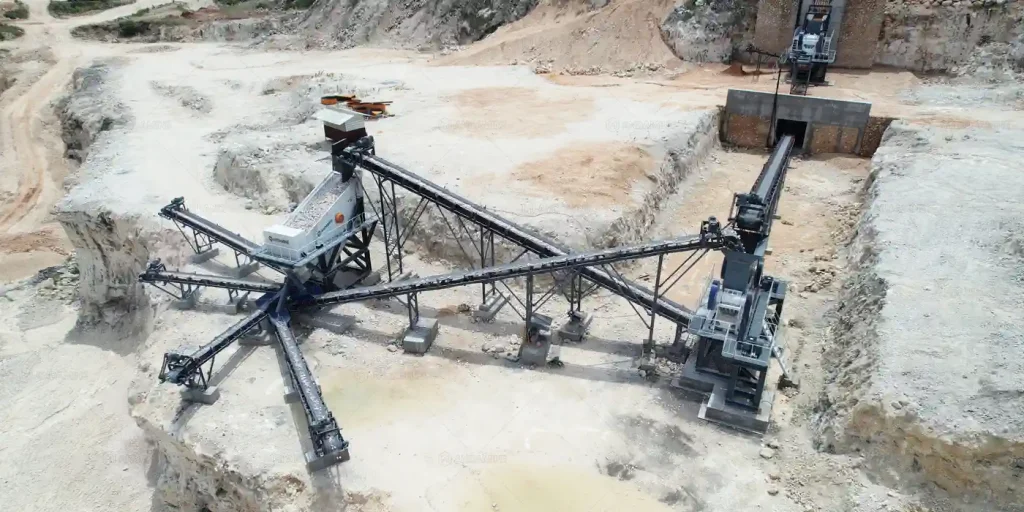
It allows the owner to arrange crushers, vibrating screens, conveyors, and stockpiles according to a planned production flow. For large and continuous aggregate operations, this configuration can support high production efficiency and convenient process management.
However, stationary plants generally require more site preparation, foundations, and installation work.
Mobile Stone Crushing Plant
A mobile crusher plant for sale can be a practical option when quarry operators need to move equipment between working areas or handle multiple project locations. Mobile crushing plants integrate crushing equipment onto track-mounted or wheel-mounted chassis. They can reduce the need to transport raw material over long distances.
This option can be useful for temporary quarry operations, road construction projects, mining sites, and locations where the working face changes frequently.
Nevertheless, customers should evaluate the required capacity, equipment configuration, transportation conditions, and maintenance arrangements before choosing a mobile solution.
Portable Stone Crushing Plant
A portable crushing plant provides a balance between mobility and a relatively structured production layout. It can be relocated between sites when the project requires it, while still using a coordinated combination of crushers, screens, and conveyors.
For contractors handling multiple projects, a portable configuration may help reduce the need to invest in separate crushing equipment at every location.
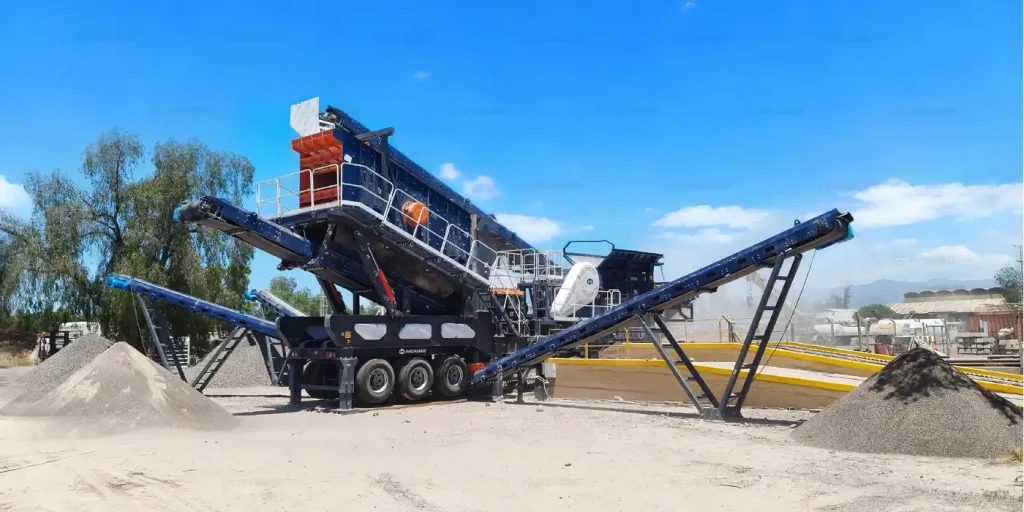
7. Evaluate Operating Costs And Long-Term Investment
The purchase price is important, but it should not be the only factor in your decision. A crushing plant is a long-term production investment. Its operating costs can significantly affect profitability over several years.
Calculate The Main Operating Expenses
Before purchasing equipment, estimate the following costs:
- Electricity Or Fuel: Calculate energy consumption based on the complete production line, including crushers, screens, feeders, and conveyors.
- Wear Parts: Consider jaw plates, cone liners, blow bars, screen meshes, and other components that require regular replacement.
- Labor: Estimate the number of operators and maintenance workers required for daily production.
- Maintenance: Include routine inspections, lubrication, component replacement, and unexpected repairs.
- Transportation And Installation: Consider equipment delivery, foundations, steel structures, electrical installation, and commissioning.
- Downtime: Estimate potential production losses caused by equipment failures, maintenance, or material supply interruptions.
For hard and abrasive materials, wear-part consumption deserves particular attention. A crusher with a lower initial price may create higher operating costs if its components wear quickly.
Estimate Your Quarry Investment Return
To evaluate whether a crushing plant is financially suitable, compare the expected revenue from finished aggregate with the total production costs.
A basic calculation can start with:
Daily Gross Revenue = Daily Saleable Aggregate Output × Average Selling Price Per Ton
Daily Operating Contribution = Daily Gross Revenue − Daily Operating Costs
For a more realistic investment analysis, also include equipment depreciation, financing costs, taxes, transportation, site development, and other business expenses.
Furthermore, check local aggregate demand before selecting plant capacity. A 300 TPH crushing plant may offer greater production potential, but it will not guarantee a better return if the local market cannot absorb the output.
8. Check Quarry Site Conditions And Local Requirements
Even a well-designed crushing plant can experience operational problems if the site conditions do not support the equipment. Therefore, evaluate the quarry location before finalizing the layout.
Site Area And Material Transportation
Make sure the site has enough space for raw material storage, crushing equipment, screening systems, finished-product stockpiles, and truck loading.
The distance between each production stage also matters. An inefficient layout may require longer conveyors and create unnecessary material handling costs.
Power Supply And Water Availability
Check whether the quarry has a stable electricity supply or needs a generator. Calculate the total power demand of the production line rather than considering only the main crusher.
If the project requires manufactured sand washing or dust suppression, evaluate the available water supply and wastewater management arrangements.
Environmental And Regulatory Considerations
Quarry operators should also review applicable local environmental and mining requirements before starting construction. Depending on the project location and scope in Indonesia, this may involve environmental approvals, dust control, noise management, wastewater treatment, and quarry operating permits.
For example, dry and windy conditions can increase airborne dust around crushing and screening areas. Enclosed transfer points, dust suppression systems, and suitable site management practices can help reduce environmental impacts.
In areas with heavy rainfall, drainage channels and sediment control also deserve attention. These measures help protect the production area and maintain stable operation throughout the year.
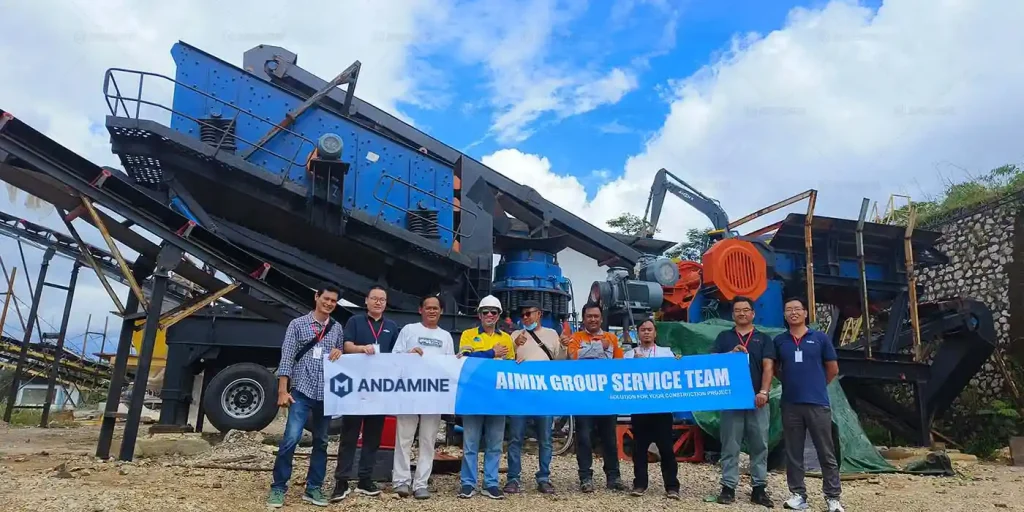
9. Evaluate The Manufacturer’s Technical Support And Spare Parts Supply
A crushing plant is not a one-time purchase. It requires technical support, routine maintenance, and replacement parts throughout its service life.
Therefore, choosing a reliable manufacturer is just as important as selecting the correct crusher configuration.
What Should You Ask A Crushing Plant Supplier?
- Can the manufacturer design a complete crushing plant based on your specific rock type and production requirements?
- Can the supplier provide a detailed process flow diagram and equipment configuration?
- Does the manufacturer have experience with similar quarry materials and production capacities?
- What installation guidance, commissioning, and operator training can the supplier provide?
- Are critical spare parts and wear components readily available?
- What warranty coverage and after-sales technical support does the manufacturer offer?
- Can the supplier explain the expected production capacity under your actual operating conditions?
These questions help you compare suppliers beyond their initial quotations. A manufacturer that understands your project and can provide practical technical support may help reduce long-term operating risks.
10. A Practical Checklist Before Buying A Stone Crushing Plant
Before placing an order, review the main project information. This helps the supplier prepare a more accurate quotation and reduces the risk of selecting unsuitable equipment.
- Raw Material: What type of stone will you crush? Limestone, granite, basalt, andesite, or river stone?
- Maximum Feed Size: What is the largest raw rock entering the primary crusher?
- Production Capacity: Do you need 50, 100, 150, 200, 300 TPH, or another capacity?
- Finished Products: Which aggregate sizes do your customers require?
- Crushing Stages: Do you need primary and secondary crushing, or a complete three-stage process?
- Plant Configuration: Is a stationary, mobile, or portable crushing plant more suitable?
- Operating Conditions: How many hours per day and days per year will the plant operate?
- Site Conditions: What are the available space, power supply, transportation access, and foundation requirements?
- Investment Budget: What is your equipment budget and expected production return?
- After-Sales Service: What technical support and spare parts will you need?
The more accurate your project information, the easier it becomes to select a crushing plant that matches your actual production requirements.
Choose The Right Stone Crushing Plant For Your Quarry Business
Choosing the right stone crushing plant starts with understanding your quarry, not simply comparing crusher prices. The raw material determines the crushing equipment. The required output capacity determines the production line size. Finished aggregate specifications determine the crushing stages and screening arrangement. Meanwhile, site conditions, operating expenses, and after-sales support influence the long-term investment value.
For a small quarry, a compact crushing line may be sufficient. For a commercial aggregate producer, a 100–300 TPH or larger stationary plant may provide a better match. If your operation involves multiple working locations, a mobile or portable crushing plant may offer greater flexibility.