
A sand and aggregate production line is more than a combination of crushing and screening equipment; it is a complete business system that transforms natural resources into valuable construction materials. With increasing demand for aggregates in roads, buildings, bridges, and infrastructure projects, investing in an efficient production line can create long-term economic opportunities. However, profitability depends on selecting suitable equipment, understanding raw material characteristics, optimizing production processes, and producing aggregates that meet market requirements.

Turning Natural Resources into Valuable Construction Materials
The basic concept behind a sand and aggregate production line is converting large rocks into different sizes of usable construction materials. These products can include crushed stone, gravel, manufactured sand, and other aggregates required by concrete plants, asphalt producers, and construction contractors.
The business value of a production line comes from increasing the value of raw materials. A quarry may contain millions of tons of rock resources, but these materials only become commercially valuable after proper processing. Through crushing, shaping, screening, and classification, a production line can create multiple products that serve different market demands.
For investors, this means a well-designed production system is not simply an equipment purchase. It is a value-generation platform that can continuously convert available resources into profitable construction materials.
Raw Material Selection Determines Production Potential
The characteristics of raw materials have a direct influence on the design and profitability of a sand and aggregate production line. Different types of rocks require different crushing strategies because hardness, abrasiveness, and mineral composition affect equipment performance and final product quality.
For example, granite is a hard and durable material widely used for high-quality aggregates. A granite crusher needs strong crushing capability and wear-resistant components to handle this abrasive rock efficiently. When properly processed, granite can produce premium aggregates suitable for highways, bridges, and large infrastructure projects.
Basalt is another valuable aggregate material known for its high strength and resistance to weathering. A basalt crusher is commonly selected for processing this type of hard rock because it requires reliable crushing performance and stable operation under demanding conditions.
Compared with harder rocks, limestone is generally easier to process and is widely available in many regions. A limestone crusher can efficiently reduce limestone into construction aggregates, manufactured sand, and materials for cement production. Understanding these differences helps businesses choose the right equipment configuration and maximize resource utilization.

Equipment Configuration Influences Business Returns
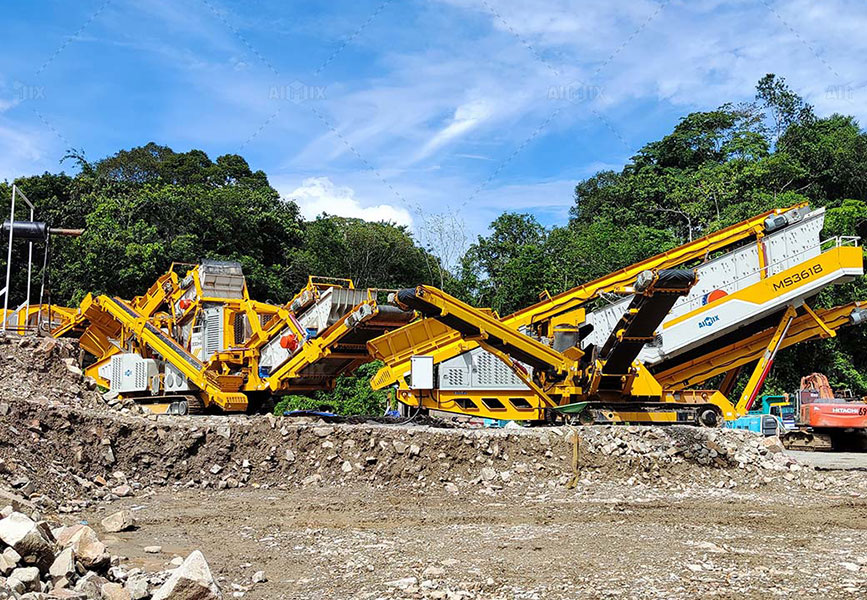
The profitability of a sand and aggregate production line depends heavily on how well each stage of the process works together. A typical production system may include feeding equipment, primary crushers, secondary crushers, sand-making equipment, vibrating screens, and conveyors.
Primary crushing equipment is responsible for reducing large rocks into manageable sizes, while secondary and tertiary crushing stages improve product size control and shape quality. Screening systems separate materials according to customer requirements, ensuring that the final products meet construction standards.
A poorly configured production line may create bottlenecks, increase energy consumption, or produce inconsistent materials. In contrast, a balanced system improves productivity, reduces operating costs, and increases the amount of sellable aggregate produced from the same raw material source.
Manufactured Sand Creates Additional Revenue Opportunities
Natural sand resources are becoming increasingly limited in many regions, creating stronger demand for manufactured sand. A modern sand and aggregate production line allows businesses to produce high-quality artificial sand from rocks such as granite, basalt, and limestone.
Manufactured sand provides an additional revenue stream because the same quarry resources can generate both coarse aggregates and fine materials. With suitable crushing and shaping technology, producers can control particle size distribution and improve sand quality for concrete and construction applications.
By expanding product categories, businesses can serve more customers and reduce dependence on a single market segment. This flexibility improves the commercial value of the entire production operation.
Reducing Costs Through Efficient Production Management
A successful sand and aggregate production line must focus not only on output but also on production economics. Energy consumption, maintenance requirements, equipment downtime, and wear part costs all influence profitability.
Selecting efficient crushing equipment helps reduce the cost per ton of finished material. For example, choosing the appropriate crusher type for granite, basalt, or limestone applications can improve crushing efficiency and extend equipment service life.
Regular maintenance and optimized operating parameters also play important roles. A production line that operates consistently with fewer interruptions can generate higher returns compared with a system that frequently experiences downtime.
Meeting Market Demand Through Flexible Production
Construction markets are constantly changing, and aggregate producers need equipment that can adapt to different customer requirements. Some projects may require large quantities of road base materials, while others need high-quality sand for concrete production.
A flexible sand and aggregate production line allows operators to adjust crushing stages and screening settings according to market demand. This adaptability helps businesses respond quickly to new opportunities and maintain competitiveness.
In regions with growing infrastructure development, a reliable production system can become a strategic advantage by ensuring stable supply and reducing dependence on external aggregate sources.
Building Long-Term Business Value with the Right Production Line
The success of a sand and aggregate business depends on more than owning crushing equipment. It requires careful planning, accurate market analysis, suitable raw material selection, and efficient plant design.
A properly designed sand and aggregate production line can maximize resource value, improve production efficiency, and create sustainable revenue opportunities. Whether processing granite, basalt, limestone, or other materials, choosing the right crushing solution is essential for achieving long-term profitability.

Conclusion
From raw materials to finished products, a sand and aggregate production line creates business value by transforming natural resources into essential construction materials. The choice of equipment, including a suitable basalt crusher, granite crusher, or limestone crusher, directly affects production efficiency, product quality, and investment returns. For businesses seeking growth in the aggregate industry, a well-planned production line provides not only reliable material supply but also a foundation for long-term commercial success.