
Quarrying in the CIS region presents unique geological challenges. First, operators must handle incredibly diverse mineral deposits across vast territories. Second, extreme seasonal temperature swings place immense mechanical stress on your machinery.
Choosing equipment blindly leads to massive financial losses on site. Therefore, you must match your machinery to your specific geological conditions. Let us explore how to choose the ideal system to secure high profit margins.
Analyzing Your Specific Geological Feed Material
Every quarry features unique rock formations with different physical properties. Therefore, you must analyze your material before purchasing any equipment.
To achieve maximum efficiency, selecting a certified stone crusher (дробилка камен) is your very first step. This strategic choice guarantees steady daily output and low operating costs. Consequently, your initial capital investment recovers much faster.
Identifying Hardness and Abrasiveness
Hard rocks like granite require robust compression force. Conversely, softer stones need different reduction methods to prevent dust. Understanding these physical properties saves thousands in premature wear.
The Cost of Choosing Wrong
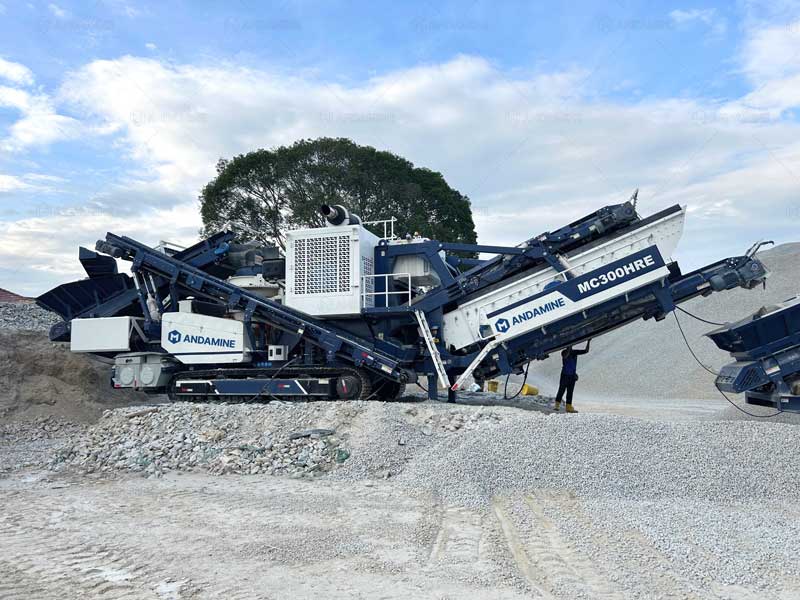
Using incorrect machinery leads to frequent component breakage. Consequently, your daily production stops completely. This downtime directly drains your monthly working capital.
Evaluating Site Logistics and Environmental Constraints
CIS quarries are often located in remote regions with limited infrastructure. Consequently, you must consider physical site logistics when choosing machinery.
You must ensure your equipment can withstand extreme winter weather. Furthermore, spatial limitations inside narrow mountain valleys demand highly compact layouts. Planning your layout carefully prevents costly transport bottlenecks.
Primary Compression for Massive Hard Rocks
Large-scale aggregate processing always starts with a powerful primary stage. You must reduce raw block sizes quickly to feed downstream systems.
For hard, blocky minerals, installing a heavy-duty jaw crusher (дробилка щековая) is the ideal solution. This system handles immense physical pressure with absolute ease. It remains the most reliable primary tool for tough deposits.
High-Throughput Primary Reduction
The powerful mechanical movement shatters tough rocks reliably. It easily processes stubborn granite, basalt, and river stones. Furthermore, modern heavy flywheels optimize electrical energy consumption.
Maximizing Feed Size Capacity
Large feed openings allow you to load massive materials directly. Therefore, you do not waste valuable labor on pre-breaking tasks. This automation streamlines your entire primary quarry layout.
Managing Operational Wear and Tear and Power Costs
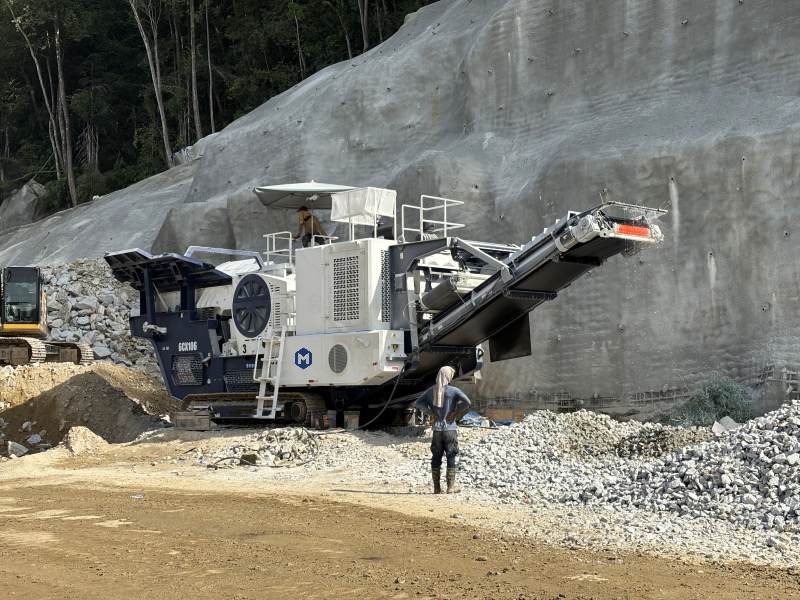
Crushing tough rocks naturally causes severe abrasive wear over time. Therefore, managing your daily operating costs is critical for survival.
Smart operators prioritize high fuel efficiency and easy parts replacement. Additionally, you should select systems with rapid local maintenance support. This preparation protects your business from unexpected seasonal shutdowns.
Secondary Reduction for Hard and Abrasive Stones
After the primary stage, you must refine the aggregate size further. Secondary processing requires extreme precision to meet strict industrial standards.
For highly abrasive minerals, deploying a high-performance cone crusher (дробилка конусная) ensures great savings. This advanced machine offers continuous crushing under immense hydraulic pressure. It remains the industry standard for tough basalt and silica projects.
Continuous Crushing Under High Pressure
The hydraulic system adjusts the setting automatically during operation. Consequently, you maintain a highly consistent aggregate size daily. This automation protects your machinery from sudden iron overload.
Optimizing Fine Particle Production
This compression method minimizes the creation of useless fine dust. Thus, you maximize the yield of sellable final products. This efficiency directly boosts your net profit margins.
Maximizing Particle Cubical Shape for Road Projects
Modern highway construction requires perfect aggregate shapes to ensure longevity. Flat or elongated stones weaken the final asphalt and concrete mixtures.
Therefore, regional GOST standards enforce strict cubical shape requirements. To win lucrative state tenders, you must produce premium materials. Upgrading your secondary stage is the best way to satisfy these clients.
Shaping Softer Materials for Premium Aggregates
Not all quarries process hard granite or abrasive basalt deposits. Many regional facilities handle softer minerals like limestone, dolomite, and gypsum.
For these less abrasive stones, utilizing a fast impact crusher (дробилки роторные) guarantees optimal results. This setup utilizes high-speed impact forces to shatter rocks instantly. It delivers unmatched particle shaping for medium-hard resources.
High-Speed Impact Shattering
The rapid rotor blow bars throw materials against wear plates. Consequently, the rocks break along their natural lines of weakness. This process delivers incredibly perfect cubical aggregate shapes.
Raising the Market Price of Your Product
Premium cubical aggregates command much higher prices in the city. Therefore, your initial equipment investment pays back much faster. You can dominate local municipal repair contracts easily.
Strategic Buying and Lifetime Manufacturer Support
Selecting the perfect machinery configuration requires deep technical expertise. True investment value lies in long-term reliability and local parts availability.
We manufacture durable, high-efficiency equipment tailored for the harshest environments. Our team also assists you with complete technical installation and local compliance. We ensure your quarry stays highly profitable for many years.
Are you ready to elevate your aggregate production business? Contact our expert sales team today for a free technical consultation. Let us build a highly successful future together!