
The Andes mountain range presents one of the most challenging environments on Earth for mineral processing. Spanning regions in Peru, Chile, and Colombia, these mountains hold vast mineral wealth but demand immense operational resilience. With elevations frequently exceeding 4000 meters, operations face thin air, extreme cold, and volatile weather. These factors severely impact the efficiency, energy consumption, and overall output of heavy machinery.
For site managers, ensuring that a mining mill(molino minería) operates at peak performance under these conditions requires specialized knowledge and strategic adaptations. Simply deploying standard equipment without altitude-specific modifications inevitably leads to skyrocketing operational costs, frequent mechanical failures, and missed production targets.
The Physical Impact of High Altitude on Grinding Equipment
Air Density and Motor Cooling
At 4000 meters above sea level, air density is roughly 60% of what it is at sea level. This thin atmosphere drastically reduces the cooling capacity of standard air-cooled electric motors used to drive a heavy mining mill. Because the air carries away less heat, motors are prone to rapid overheating. To compensate, engineers must apply a precise altitude de-rating factor. This often requires electric motors to be oversized by 15% to 25% just to safely handle the exact same workload they would at coastal elevations.
Lubrication and Cold Weather
The high Andes are notorious for sub-zero temperatures, particularly during the night shifts. Cold environments drastically increase the viscosity of industrial lubricants. When gearboxes, pinions, and trunnion bearings are not properly lubricated with the right viscosity oil, internal friction spikes. This leads to excessive energy draw and accelerated wear and tear on critical moving parts. Implementing automated heating systems for lubricant reservoirs is a mandatory step in keeping any mining mill running smoothly and preventing catastrophic cold starts.
Evaluating Grinding Technology for High Elevations
Selecting the right equipment architecture is the foundation of an efficient high-altitude circuit. Different mills respond differently to the severe environmental constraints of the Andes, and understanding these nuances is critical for plant design.
| Equipment Type | Energy Profile | High-Altitude Adaptation Requirements |
|---|---|---|
| Ball mill | High energy demand, constant load | Requires significantly oversized motors and robust thermal monitoring due to continuous high-friction operation. |
| Rod mill | Moderate energy, impacts coarse rock | Lower operating speeds generate less heat, making it slightly more resilient to atmospheric cooling challenges. |
| Raymond mill | Efficient for softer, non-metallic ores | Requires extensive recalibration of draft fans because the thin air drastically alters pneumatic classification. |
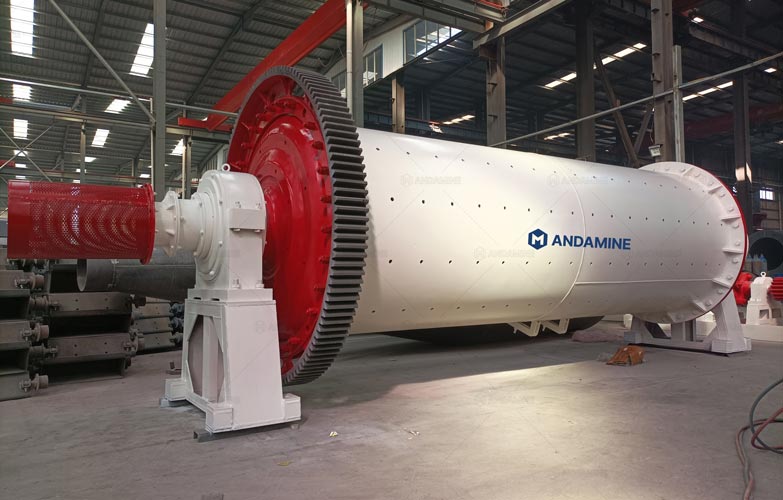
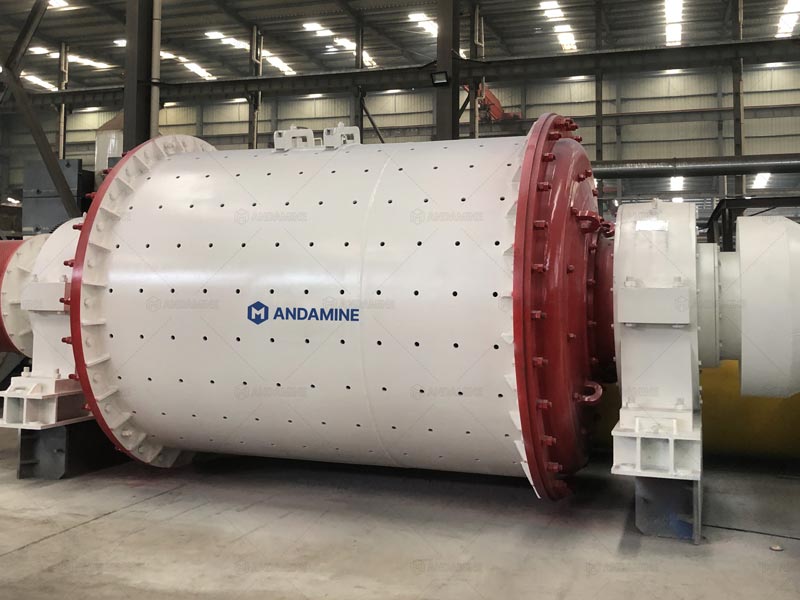
A ball mill remains the industry standard for fine grinding hard metallic ores, such as copper and gold, which are abundant in the South American highlands. However, because a ball mill(molino de bolas) demands massive power to tumble heavy steel media, the altitude de-rating for its driving motors represents a significant capital expense.
Alternatively, operators might deploy a rod mill for the primary grinding stage. A rod mill produces a more uniform product and generates significantly fewer fines, reducing the overall energy required before the material passes to the secondary grinding stage.
For non-metallic minerals, a Raymond mill is highly efficient and offers a smaller footprint. However, because a Raymond mill relies on an internal air stream to lift and classify ground particles, the low atmospheric pressure at 4000 meters poses a unique challenge. The system’s fans must operate at higher speeds or be completely redesigned with larger blades to achieve the necessary lifting force in thin air.
Strategic Methods to Optimize Energy Consumption
Managing power draw is paramount in remote Andean locations where electricity is either generated on-site via expensive diesel generators or transmitted over long, fragile grid networks subject to harsh weather.
- Implementing Variable Frequency Drives (VFDs): Installing VFDs allows operators to adjust the rotational speed of the equipment dynamically. Slowing down a ball mill during periods of lower throughput prevents wasted energy and reduces mechanical stress on the drivetrain.
- Optimizing Grinding Media Load: Using high-chrome steel balls or specialized rods can reduce internal wear rates and improve kinetic energy transfer. In a rod mill(molino de barras), ensuring the rods remain perfectly straight and are replaced before they wear too thin prevents inefficient grinding, localized over-grinding, and wasted electrical power.
- Advanced Lubrication Protocols: Switching to synthetic, low-temperature lubricants ensures that startup friction is minimized. Heated oil circulation systems can prevent the massive power spikes that typically occur when a freezing mill is first turned on after a maintenance shutdown.
Maximizing Production Output in Thin Air
Achieving target throughput while managing energy requires a holistic approach to the entire comminution circuit. One highly effective strategy is to optimize the feed size before it ever reaches the main grinding circuit. By maximizing the efficiency of the primary and secondary crushing stages, the material entering the ball mill or rod mill is already significantly smaller. This methodology requires less time and energy in the tumbling mills to reach the final liberation size.
Additionally, operators must closely monitor and upgrade pneumatic and ventilation systems. In a Raymond mill setup(molino Raymond), the cyclone collectors and baghouse dust filters must be proportionally resized for altitude. Because thin air expands to fill the same space, the volume of air required to move the same mass of ground material is much larger than at sea level. Expanding the ductwork and optimizing the fan curves ensures that the Raymond mill does not bottleneck the entire production line.
Forging a Resilient Future in Andean Mineral Processing
Operating heavy grinding machinery above 4000 meters will always present steep engineering and logistical hurdles. However, the immense mineral wealth of the Andes makes overcoming these challenges highly rewarding for regional operators. By understanding the thermodynamic limitations of thin air and freezing temperatures, mining companies can implement highly targeted upgrades. Whether it means recalibrating the airflow and cyclone sizing of a Raymond mill, oversizing the electric motors on a massive ball mill, or utilizing a heavy-duty rod mill to optimize particle size distribution early in the circuit, the key is proactive adaptation. With the right equipment specifications, customized maintenance routines, and intelligent energy management strategies, high-altitude mining operations can achieve world-class efficiency, maintaining robust daily output without sacrificing their energy budgets.