
The granite crushing industry has long been characterized by brute force and permanence. Massive stationary plants, fed by a constant stream of virgin material, represented the established paradigm. However, the tectonic plates of the industry are shifting. The future belongs not to the largest, but to the most agile. Operational agility—the ability to adapt swiftly to fluctuating market demands, variable material characteristics, and evolving project locations—is rapidly becoming the primary determinant of commercial success. This article explores the fundamental forces driving this transformation, examining how a focus on flexibility, mobility, and intelligent control is redefining the economics and logistics of granite crushing, and why those who embrace this ethos are poised to dominate the market.
Navigating a Dynamic Market Landscape
Contemporary market conditions are characterized by volatility and unpredictability. The era of stable, long-term contracts for massive quantities of uniform aggregate is waning. Today’s quarry operators and contractors face a complex matrix of fluctuating demand, diverse specifications, and a premium on the ability to pivot quickly.
Adapting to Varied Product Specifications and Niche Demands
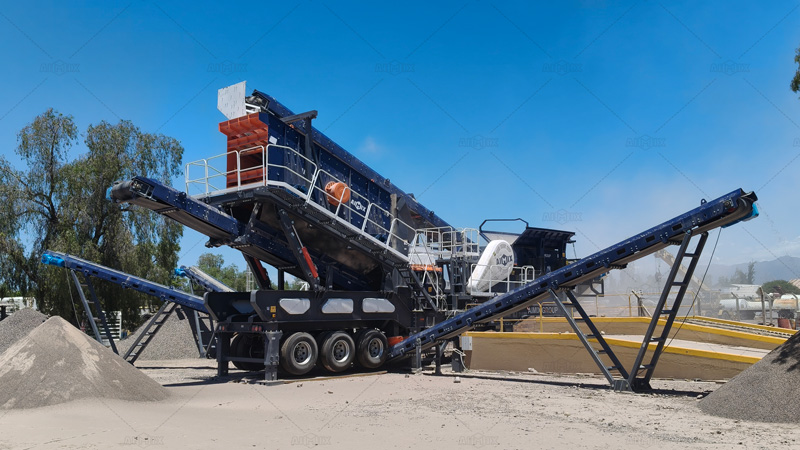
Infrastructure projects are becoming increasingly sophisticated, demanding a broader array of aggregate specifications. A single site might require everything from high-grade asphalt chips to fine manufactured sand and railway ballast. The conventional stationary plant, designed for high-volume production of a limited product range, is ill-equipped for this complexity. Conversely, an agile crushing spread, featuring a mobile primary crusher, a secondary cone crusher, and a suite of screening and washing units, can be rapidly reconfigured to produce multiple, distinct products in a single pass. This inherent versatility allows operators to respond to niche market demands and capture higher margins by catering to specialized requirements, rather than relying on the race to the bottom on commodity products.
Responding to Supply Chain Disruptions and Urbanization
Global supply chains are increasingly fragile. Delays in the delivery of wear parts or crucial components can paralyze a stationary plant for weeks. Furthermore, the relentless march of urbanization is pushing quarries further from the urban centers where aggregate is most needed. An agile, mobile crushing fleet is inherently resilient. It can be relocated to be closer to the point of consumption, drastically reducing haulage costs and carbon footprints. This mobility also allows operators to exploit smaller, more dispersed deposits of granite that would be uneconomical to develop with a permanent installation. This logistical dexterity provides a formidable buffer against the vulnerabilities of centralized, static operations.
The Technological Enablers of Agility
Operational agility is not merely a philosophical concept; it is a tangible capability realized through cutting-edge technology. The modern, agile crushing plant is a symphony of intelligent design and advanced automation.
Intelligent Automation and Remote Monitoring
The advanced crushing plant is a cyber-physical system. Sophisticated control software continuously monitors wear rates, feed characteristics, and output quality, making micro-adjustments to crusher settings and feed rates to optimize performance. These systems provide operators with real-time data, allowing them to remotely diagnose issues, predict maintenance needs, and adjust production parameters on the fly. This shift from reactive to predictive maintenance minimizes downtime and maximizes throughput. The ability to oversee and control equipment from a central control room or even a mobile device liberates managers from the confines of the plant floor, granting them unprecedented supervisory scope.
Rapid Deployment and Modular Design
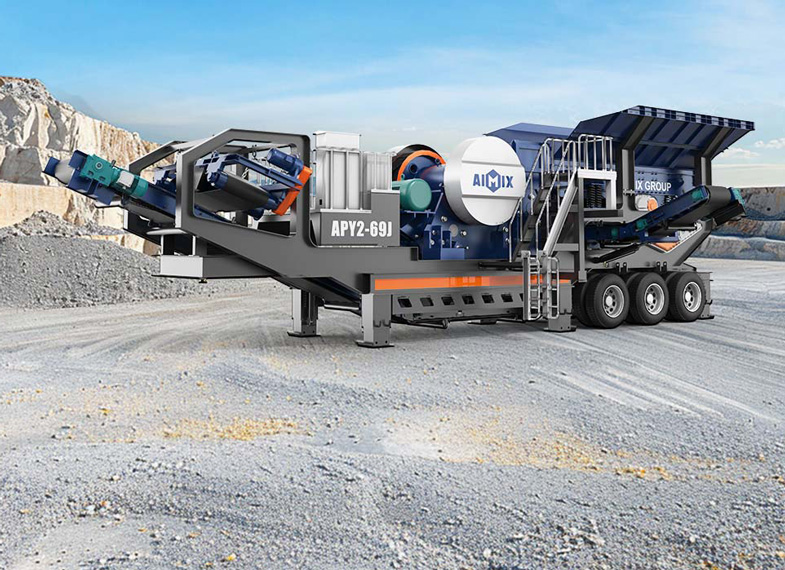
The physical configuration of the equipment is as important as its software. Modern mobile crusher plants are designed for rapid deployment. They can be transported on standard trailers, set up on site without the need for extensive civil works, and be producing material within hours of arrival. The modular nature of these plants is equally critical. Components can be easily added, removed, or swapped out to adapt to changing production requirements. This plug-and-play capability allows operators to scale their production up or down with remarkable speed, adjusting the fleet’s configuration to match the precise demands of the project, thereby eliminating the capital waste associated with over-specifying a plant for a single purpose.
Strategic Advantages and Business Resilience
Ultimately, the drive towards operational agility is a strategic imperative. It transforms a crushing operation from a vulnerable, fixed-cost entity into a resilient, adaptable business that is equipped to thrive in the face of uncertainty.
Reducing Capital Risk and Enhancing ROI
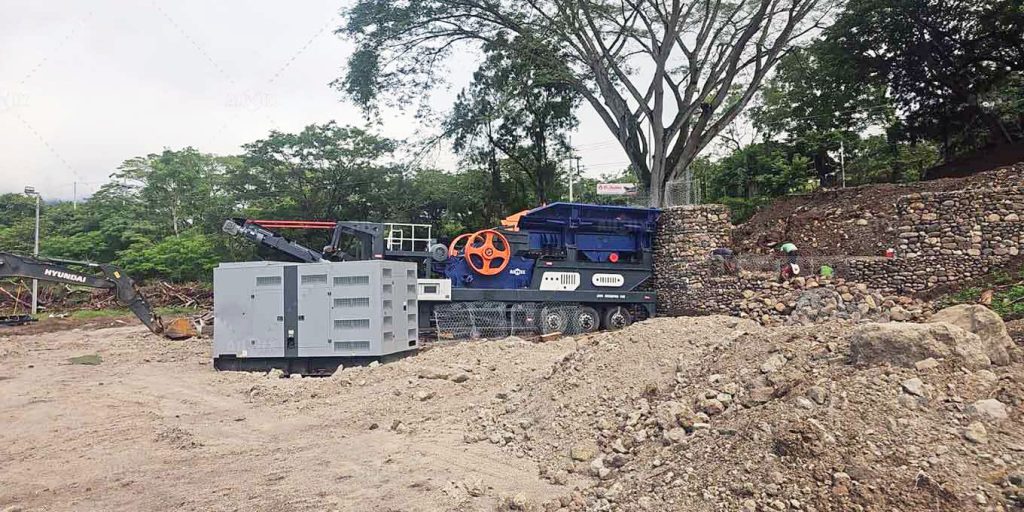
Investing in a massive stationary plant is a significant and irreversible capital commitment, predicated on the assumption of stable, long-term demand. An agile, mobile fleet, on the other hand, involves a lower initial capital outlay and offers far greater flexibility. If a market segment softens, the rock crushing equipment can be relocated to a different site or reconfigured to produce a different product, ensuring it remains a productive asset. This reduction in capital risk is a powerful financial advantage. The ability to match investment more precisely with market opportunity accelerates the return on investment, as the equipment is actively earning its keep from the moment it arrives on site.
Building a Sustainable and Competitive Advantage
Companies that embrace operational agility are building a formidable competitive moat. They can offer clients a level of service that is simply impossible for a static operation to match. They can respond to urgent project start dates, adapt to last-minute specification changes, and operate in remote or logistically challenging environments. This service-centric model enhances client relationships and fosters loyalty. Moreover, by reducing the carbon intensity of transporting materials, these agile operations align with the growing demand for sustainable practices, securing a competitive edge in an increasingly environmentally conscious marketplace and ensuring their relevance for the future.