
In modern construction and mining operations, material transportation is one of the most significant cost factors affecting project profitability. Whether it is crushed stone, gravel, or recycled aggregates, transporting raw materials from quarry sites to fixed crushing plants and then to construction sites requires fuel, labor, logistics coordination, and equipment maintenance. To solve this challenge, the industry increasingly relies on mobile crusher plants, which enable on-site crushing and significantly reduce transportation expenses.
Among the most widely used configurations are the mobile jaw crusher plant, mobile cone crusher plant, and mobile impact crusher plant. Each type plays a different role in the crushing process, but all contribute to minimizing transport distance, improving efficiency, and lowering overall construction costs.
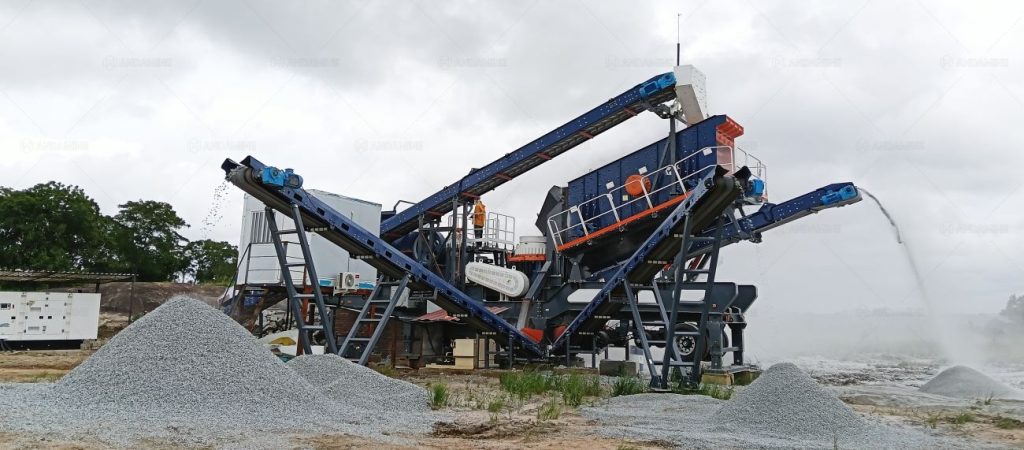
The High Cost of Material Transportation in Construction Projects
Traditional crushing operations rely on stationary plants located far from construction sites. Raw materials such as river stone, limestone, or granite must first be transported from the quarry to the plant for processing. After crushing, the finished aggregates are again transported to project sites. This double-handling process significantly increases logistics costs.
Fuel consumption, truck maintenance, driver wages, and road tolls all add up quickly, especially in large infrastructure projects such as highways, bridges, and airports. In remote areas, transportation costs can sometimes exceed the cost of crushing itself. This is why many contractors are shifting toward mobile solutions that eliminate unnecessary hauling distances.
How Mobile Crusher Plants Solve Transportation Challenges
A mobile crusher plant is designed to bring the crushing process directly to the raw material source or construction site. Instead of transporting materials over long distances, the plant processes them on-site and produces finished aggregates immediately.
This approach reduces or completely eliminates the need for intermediate transportation steps. Trucks are only used for delivering finished products within short distances, greatly reducing fuel consumption and logistics complexity. As a result, project timelines are shortened, and operational efficiency is significantly improved.
Role of Mobile Jaw Crusher Plant in Cost Reduction
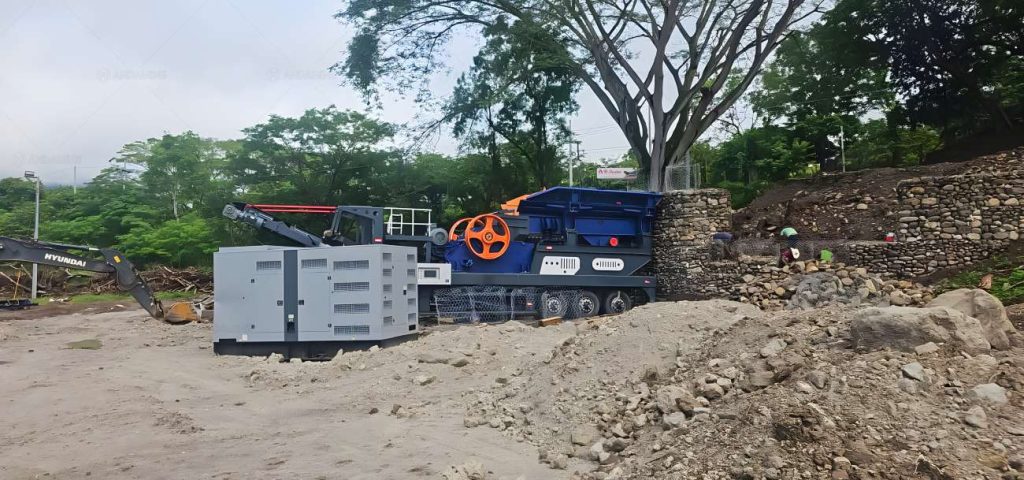
The mobile jaw crusher plant is typically used as the primary crushing unit in mobile crushing operations. It is responsible for breaking large rocks into smaller, manageable sizes at the source.
By processing raw materials directly at the mining or quarry site, the mobile jaw crusher plant eliminates the need to transport oversized rocks to a stationary facility. This reduces heavy hauling costs and minimizes wear and tear on transport vehicles.
In large-scale infrastructure projects, the mobile jaw crusher plant plays a crucial role in ensuring continuous material supply while keeping transportation expenses under control. It is especially effective in remote construction areas where access to fixed crushing plants is limited or economically unfeasible.
Role of Mobile Cone Crusher Plant in Secondary Processing
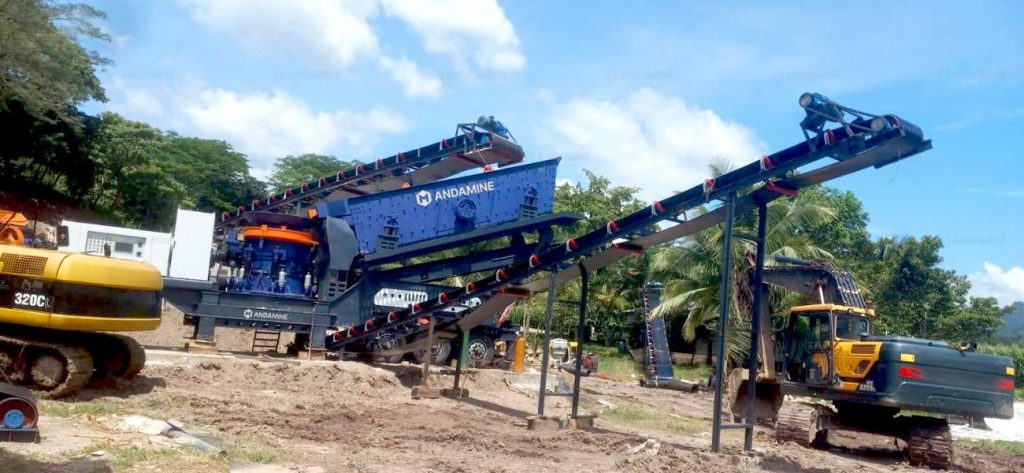
The mobile cone crusher plant is commonly used for secondary or fine crushing of hard materials such as granite, basalt, and cobblestone. After primary crushing by a jaw crusher, materials are further processed into high-quality aggregates.
One of the key advantages of using a mobile cone crusher plant is that it can be positioned close to the primary crushing site. This eliminates the need to transport partially processed materials to another fixed facility for secondary crushing.
By integrating secondary crushing into the mobile system, construction companies reduce material movement between different production stages. This streamlined workflow significantly lowers transportation costs while improving production efficiency and product consistency.
Role of Mobile Impact Crusher Plant in Recycling and Shaping
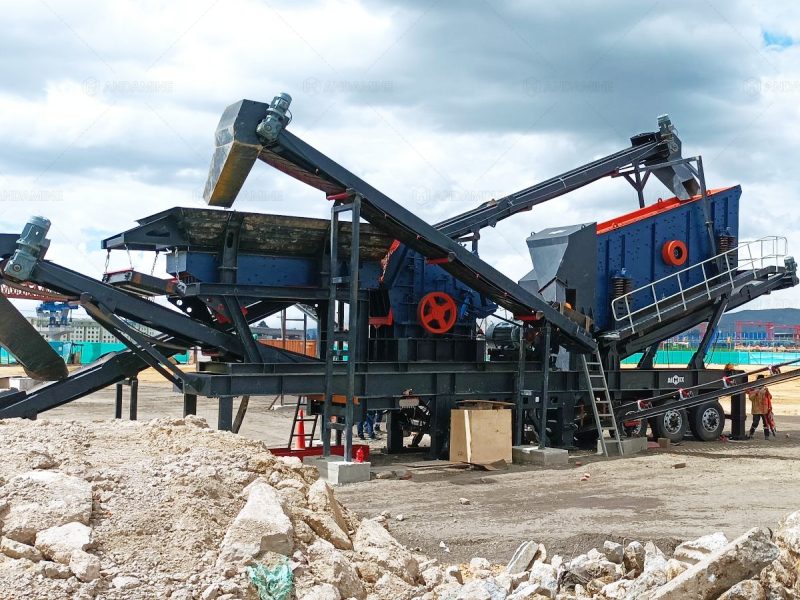
The mobile impact crusher plant is widely used for crushing softer materials and construction waste, such as concrete debris and asphalt. It is also effective in producing well-shaped aggregates required for road construction and commercial concrete production.
In urban construction projects, demolition waste often needs to be transported to recycling facilities located far from the site. However, with a mobile impact crusher plant, this waste can be processed directly on-site and converted into reusable materials.
This not only reduces transportation costs but also minimizes landfill disposal fees and supports sustainable construction practices. The ability to recycle materials on-site is becoming increasingly important in modern infrastructure development.
Combined System Efficiency in Mobile Crushing Operations
In many large projects, a combination of mobile jaw crusher plant, mobile cone crusher plant, and mobile impact crusher plant is used to create a complete mobile crushing line. This integrated system allows raw materials to be processed entirely on-site, from primary crushing to final shaping.
By eliminating multiple transportation stages between different processing units, the overall logistics chain becomes shorter and more efficient. This reduces not only fuel and labor costs but also project coordination complexity.
Additional Economic and Operational Benefits
Beyond transportation cost reduction, mobile crusher plants offer several additional advantages. They reduce dependency on fixed infrastructure, allowing contractors to operate in remote or undeveloped regions. They also improve project flexibility, as equipment can be relocated based on project progress.
Furthermore, on-site production reduces material loss during transportation, ensuring better utilization of raw resources. This contributes to both cost savings and environmental sustainability.
Conclusion
The adoption of mobile crusher plants has fundamentally changed the way construction and mining projects manage material logistics. By eliminating long-distance transportation and enabling on-site processing, these systems significantly reduce operational costs and improve efficiency.
The combined use of mobile jaw crusher plant, mobile cone crusher plant, and mobile impact crusher plant creates a highly efficient crushing workflow that minimizes transportation needs at every stage of production. As infrastructure development continues to expand globally, mobile crushing technology will remain a key solution for reducing costs, improving productivity, and supporting sustainable construction practices.