
Modern infrastructure projects demand massive volumes of processed sand and gravel every single day. However, quarry operators face severe challenges when processing materials with different hardness levels. Consequently, selecting mismatched machinery leads to rapid equipment wear and unexpected downtime. This technical guide explains how to design a highly productive aggregate processing workflow. Ultimately, a calculated setup protects your budget and secures your delivery timelines.
Addressing the Core Geological Variables in Aggregate Processing
Geological formations vary widely in their mineral compositions and overall compressive strength. Therefore, operators cannot use a single crushing circuit design for all materials. Understanding the physical differences between rock types prevents costly operational mistakes on site. Let us analyze how mineral traits dictate your equipment choices.
Processing Hard and Abrasive Silica Formations
Many quarries contain high percentages of silica, granite, or river gravel. These hard stones put immense physical stress on standard crushing components. For instance, crushing quartz requires high compressive forces to break the crystalline bonds. If you use standard impact blow bars, they will degrade within a few hours.
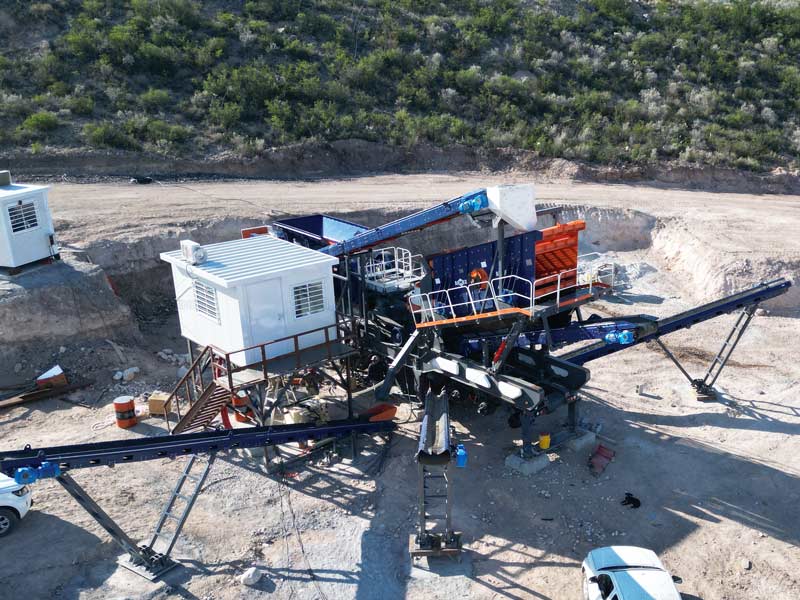
Consequently, operators must choose compressive crushing methods for abrasive river gravel deposits. Using a dedicated gravel crusher ensures your system handles hard stones without high wear. These machines utilize thick manganese steel plates to fracture tough rocks efficiently. Furthermore, manganese steel naturally hardens under constant impact pressure. This metallurgical characteristic significantly extends the operational lifespan of your wear parts. Ultimately, choosing the right machinery lowers your daily wear expenses.
Sizing Soft Carbonate Rocks and Decorative Minerals
In contrast, other quarries process softer formations like limestone, gypsum, or marble. These soft minerals require a completely different mechanical approach to prevent pulverization. Applying excessive compressive force to soft stone produces useless, fine dust. Therefore, operators must utilize impact-based reduction systems for these applications.
For decorative materials, deploying a specialized marble crusher machine yields excellent results. This machine applies controlled rotational forces to shatter the stone along natural lines. Consequently, you consistently produce highly cubical aggregate chips with minimal waste. This precise sizing is vital for high-value architectural concrete and terrazzo works. Furthermore, maintaining a uniform aggregate size increases the final market value. Thus, specialized soft-rock machinery ensures maximum profitability for your processing yard.
Designing an Efficient Multi-Stage Aggregate Crusher Plant
Most high-volume operations require multiple crushing stages to achieve precise final sizes. Therefore, contractors must coordinate feeding, crushing, and screening systems into a single loop. A well-balanced design prevents bottlenecks and lowers your overall fuel consumption. Let us evaluate how to organize these physical processing stages.
Primary Crushing Stages for Coarse Material Reduction
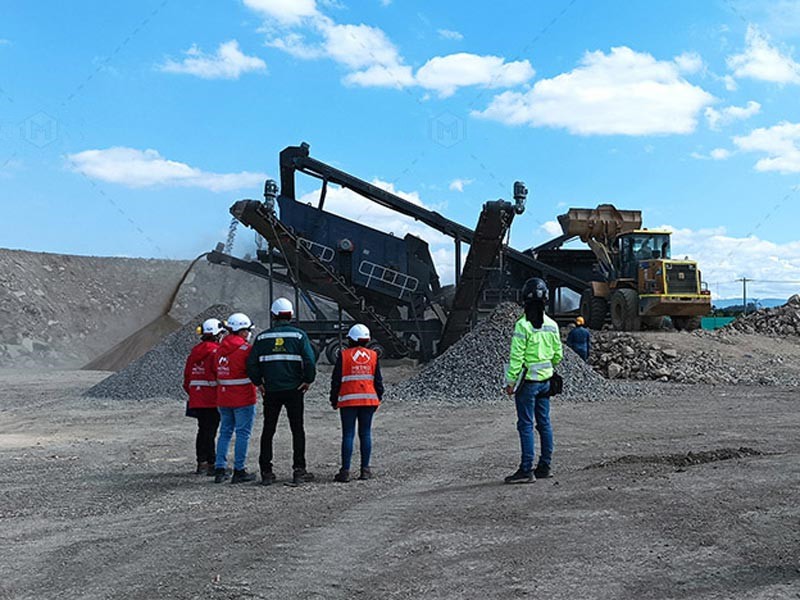
The primary stage represents the first entry point for raw quarry blocks. Generally, heavy-duty jaw crushers serve as the primary machine in this stage. These units feature a wide feed opening to accept large boulders easily.
The moving jaw compresses the rocks against a fixed steel plate. This initial step reduces the raw feed to a manageable mid-sized gravel. An efficient primary unit prevents material blockages at the secondary inlet. Therefore, choose a primary crusher with a high throat clearance. This clearance ensures smooth material flow even during wet weather conditions.
Secondary Shaping and Closed-Loop Screening Circuits
Mid-sized rocks require secondary processing to achieve their final engineering dimensions. Typically, operators deploy cone crushers or impactors for this secondary stage. These secondary units shape the stones into highly consistent, cubical geometries.
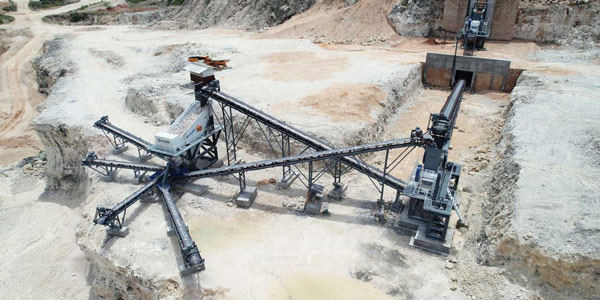
Furthermore, you must connect the secondary output to a vibrating screen deck. This multi-deck screen separates the processed aggregate into specific size categories. Conforming materials pass through the screens and travel to the stockpile. Conversely, oversized particles automatically return to the secondary unit for re-crushing. This closed-circuit design guarantees that every batch meets strict civil codes. Consequently, a complete aggregate crusher plant delivers reliable aggregate uniformity.
Essential Maintenance Practices for Heavy Crushing Machinery
Operating heavy machinery in dusty quarry environments causes rapid physical wear. Therefore, establishing a disciplined daily preventative maintenance routine remains absolutely critical. Regular care prevents sudden component failures and protects your major capital investment. Let us review the most vital upkeep protocols for your team.
Daily Lubrication and Air Intake Cleaning Protocols
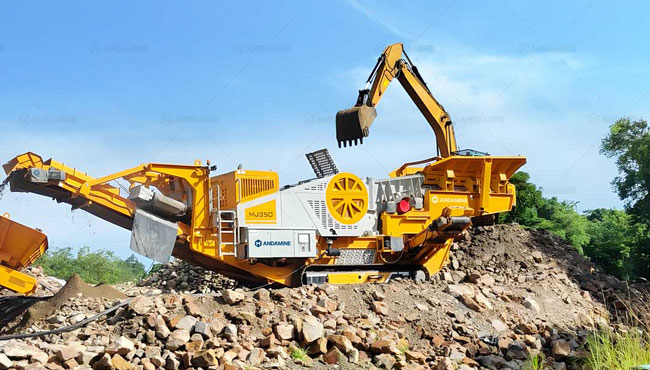
First, operators must clean the engine air filters at the end of every shift. Thorough dust removal prevents the diesel power plant from overheating under heavy loads. Clean filters preserve engine power and maintain optimal fuel efficiency on site.
Second, inspect the tension of all conveyor belts and crawler tracks daily. Loose conveyor belts can slip under heavy aggregate loads and cause electric motor damage. Third, apply high-quality grease to the main eccentric shafts and support bearings every morning. Proper lubrication reduces extreme mechanical friction and prevents expensive bearing seizures. Additionally, check all hydraulic lines daily for physical signs of wear or leaks. Spotting small leaks early prevents sudden system pressure loss during active production.
Tracking Liner Wear and Managing Spare Parts
Fourth, inspect the crushing chamber liners and jaw plates on a weekly schedule. Highly abrasive stones create deep physical grooves in the steel wear plates. Replace these worn liners early to safeguard the main frame of the machine.
Neglecting this simple task leads to catastrophic structural damage and long delays. Furthermore, maintain a localized inventory of critical wear components in your workshop. Having replacement valves and filters nearby prevents costly shipping delays if a component fails. Ultimately, proactive upkeep habits extend the operational lifespan of your processing machinery.
Environmental Compliance and Workplace Safety Standards
Modern industrial operations must comply with strict local environmental laws and neighborhood standards. Managing airborne silica dust and machinery noise is critical for maintaining community relations. Therefore, operators must implement active safety measures directly on the job site. Let us evaluate the primary protocols for securing a compliant workspace.
Dust Suppression Methods and Ground Crew Protection
First, install high-pressure water spray nozzles at major material transfer points. These sprayers bind fine particulate dust before it can float into the air. Consequently, you protect the respiratory health of your entire quarry team.
Second, ensure that all ground crew members wear proper personal protective equipment. This safety gear includes hard hats, protective goggles, and steel-toed boots. Additionally, enforce strict safety perimeters around all moving conveyor systems. Clear safety protocols prevent avoidable accidents and keep your site running smoothly.
Conclusion and Sourcing Advice for Growing Fleets
In summary, designing a successful sand and aggregate line requires a careful analysis of rock hardness. Selecting durable machinery protects your project timeline from unexpected mechanical breakdowns. Furthermore, matching your equipment configuration to local geology ensures high-quality production on every shift.
Always partner with reputable suppliers who offer robust local spare parts support. Proper operator training also reduces mechanical wear and lowers long-term maintenance costs. Ultimately, a strategic asset purchase secures your project schedules and business profits.